
Modern organisations face an overwhelming volume of security alerts, making it difficult for teams to respond quickly and consistently. As cyber threats grow in scale and complexity, relying solely on manual processes is no longer sustainable. Security orchestration automation and response offers a structured way to connect tools, streamline workflows, and improve reaction times. Reducing operational friction helps security teams focus on high-value decisions instead of repetitive tasks. For businesses aiming to scale their cyber defence without proportionally increasing resources, adopting a more coordinated and automated approach has become essential.
What Is Security Orchestration Automation and Response?
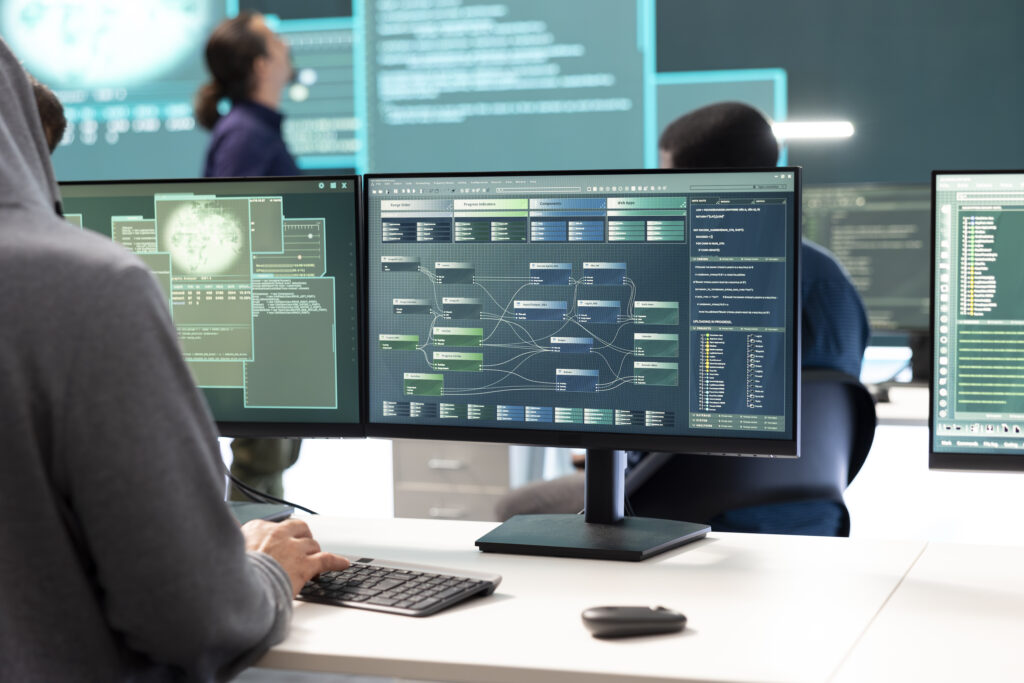
Security orchestration automation and response (SOAR) is a technology framework designed to integrate security tools, automate routine tasks, and standardise incident response processes. It connects systems such as threat intelligence platforms, endpoint protection, and monitoring tools into a unified workflow. Through predefined rules and playbooks, it enables faster threat detection, investigation, and remediation. Instead of relying on manual intervention for every alert, teams can automate common scenarios. This improves efficiency while maintaining consistency in incident management across the organisation.
Why Security Orchestration Automation and Response Matters
Security orchestration, automation, and response matter because they address the growing gap between alert volume and human capacity. Security teams often deal with thousands of alerts daily, many of which require immediate attention. Without automation, this can lead to delays, missed threats, and analyst fatigue. By streamlining processes and enabling faster decision-making, SOAR helps reduce response times and improve overall security posture. It also supports scalability, allowing organisations to handle increasing workloads without compromising effectiveness or requiring significant staffing increases.
Key Components of Security Orchestration Automation and Response
The core elements include system integration, workflow automation, and structured response mechanisms that work together to improve efficiency and consistency.
Orchestration Across Security Systems
Orchestration connects multiple security tools into a cohesive ecosystem, allowing them to share data and operate in sync. Instead of isolated systems generating separate alerts, orchestration ensures that information flows seamlessly across platforms. This unified approach enables better visibility into threats and reduces duplication of effort. By coordinating actions across tools such as firewalls, endpoint detection systems, and threat intelligence feeds, organisations can create a more streamlined and effective defence strategy that supports faster, more informed responses.
Automation of Repetitive Tasks
Automation focuses on handling repetitive, time-consuming tasks that would otherwise require manual effort. Tasks such as alert triage, data enrichment, and initial investigation steps can be automated using predefined rules. This reduces analysts’ workload and allows them to focus on complex threats that require human judgment. By minimising manual intervention, automation also reduces the risk of errors and ensures consistent handling of similar incidents. Over time, this leads to improved efficiency and a more resilient security operation.
Response Execution and Playbooks
Response execution is guided by playbooks, predefined workflows that outline how specific incident types should be handled. These playbooks ensure that responses are consistent, repeatable, and aligned with organisational policies. When a threat is detected, the system can automatically trigger the appropriate playbook, executing actions such as isolating affected systems or blocking malicious activity. This structured approach reduces response time and ensures that critical steps are not overlooked, even in high-pressure situations where speed and accuracy are essential.
How Security Orchestration Automation and Response Works in Practice

In practice, security orchestration automation and response begin with alert ingestion from various security tools. The system then enriches the data by pulling in additional context from internal and external sources. Based on predefined rules, it determines the appropriate course of action and executes automated steps where possible. Analysts are involved only when necessary, typically for validation or complex cases. This process creates a streamlined workflow that improves both speed and accuracy, enabling organisations to respond to threats more effectively while maintaining control over critical decisions.
Benefits of Security Orchestration Automation and Response

Security orchestration automation and response offers several advantages, including faster incident response, improved operational efficiency, and reduced analyst workload. Automating routine tasks enables security teams to focus on strategic activities and complex investigations. It also enhances consistency by ensuring that incidents are handled according to predefined processes. Additionally, it improves visibility across the security environment, enabling better decision-making. For organisations looking to scale their security operations, it provides a practical way to manage increasing demands without sacrificing performance or control.
Common Use Cases of Security Orchestration Automation and Response
Common applications include incident response automation, threat investigation, and workflow standardisation across various security scenarios. Below are the details about security orchestration, automation, and response (SOAR) use cases.
Phishing Incident Handling
Phishing attacks are among the most frequent security threats organisations face. Security orchestration automation and response can streamline the handling process by automatically analysing reported emails, extracting indicators, and checking them against threat intelligence sources. If the email is confirmed as malicious, the system can remove similar messages from other inboxes and block related domains. This reduces response time and limits the spread of the attack. By automating these steps, organisations can handle large volumes of phishing attempts more efficiently and with greater accuracy.
Malware Containment
When malware is detected, rapid containment is critical to prevent further damage. Security orchestration automation and response can automatically isolate affected endpoints, block malicious files, and initiate remediation processes. By coordinating actions across multiple systems, it ensures that containment measures are applied consistently and without delay. This reduces the risk of lateral movement within the network and minimises the overall impact of the incident. Automation also helps ensure that no critical steps are missed during the response process.
Threat Intelligence Enrichment
Threat intelligence enrichment involves adding context to security alerts by integrating data from various sources. Security orchestration automation and response can automatically gather information such as IP reputation, domain history, and known attack patterns. This enriched data helps analysts better understand the nature and severity of a threat. By automating the enrichment process, organisations can accelerate investigations and improve the accuracy of their responses, leading to more effective threat mitigation.
Vulnerability Management Workflows
Managing vulnerabilities requires continuous monitoring, prioritisation, and remediation. Security orchestration automation and response can streamline this process by automatically identifying vulnerabilities, assessing their risk level, and assigning remediation tasks. It can also track progress and ensure that issues are addressed within defined timeframes. By automating these security workflows, organisations can maintain a stronger security posture, reduce the likelihood of exploitation, and ensure resources are allocated effectively.
Security Orchestration Automation and Response (SOAR) vs SIEM
While both security orchestration automation and response (SOAR) and SIEM systems play important roles in cybersecurity, they serve different purposes. SIEM focuses on collecting, analysing, and correlating security data to detect potential threats. In contrast, security orchestration, automation and response is designed to act on those insights by automating workflows and executing responses. Together, they complement each other: SIEM provides visibility and detection, and security orchestration, automation, and response enable faster, more efficient action.
Choosing the Right SOAR Platform
Selecting the right security orchestration automation and response platform depends on factors such as integration capabilities, scalability, and ease of use. Organisations should look for solutions that seamlessly integrate with their existing security tools and support customisable workflows. Flexibility is important to ensure that the platform can adapt to evolving threats and operational needs. It is also essential to consider the level of automation offered and how well it aligns with the organisation’s security strategy. A well-chosen platform can significantly enhance overall efficiency and effectiveness.
Challenges and Limitations of Security Orchestration Automation and Response
Despite its advantages, security orchestration automation and response come with challenges. Implementing and maintaining playbooks requires careful planning and ongoing updates. Over-automation can also lead to unintended consequences if workflows are not properly designed. Integration with legacy systems may pose technical challenges, and teams adopting the technology may face a learning curve. Additionally, not all incidents can be fully automated, meaning human oversight remains necessary. Addressing these challenges is key to achieving long-term success.
Best Practices for Implementing Security Orchestration Automation and Response
Successful implementation starts with clearly defined objectives and a strong understanding of existing workflows. Organisations should begin by automating simple, high-volume tasks before expanding to more complex scenarios. Regular testing and refinement of playbooks are essential to ensure accuracy and effectiveness. Collaboration between security teams and other departments can also improve outcomes. It is important to maintain a balance between automation and human oversight, ensuring that critical decisions remain under expert control while routine tasks are handled efficiently.
The Future of Security Orchestration Automation and Response
The future of security orchestration automation and response is closely tied to advancements in artificial intelligence and machine learning. These technologies are expected to enhance automation capabilities, enabling more adaptive and intelligent responses to threats. As cyber risks continue to evolve, organisations will rely more heavily on integrated and automated systems to maintain resilience. Security orchestration, automation, and response will play a central role in shaping modern cyber defence strategies, helping organisations stay ahead of emerging threats while maintaining operational efficiency. Explore how Fluxgate can support your security operations with scalable and intelligent solutions.
Frequently Asked Questions
What is the main purpose of security orchestration automation and response?
The main purpose of security orchestration automation and response is to improve the efficiency and effectiveness of security operations. It achieves this by integrating various security tools, automating repetitive tasks, and providing structured incident response workflows.
How does security orchestration automation and response improve SOC efficiency?
Security orchestration automation and response improves SOC efficiency by reducing the time and effort required to manage security incidents. It automates routine tasks, including alert triage, data enrichment, and response actions.
Can small businesses use security orchestration automation and response?
Small businesses can use security orchestration automation and response, especially as solutions become more accessible and scalable. Many platforms now offer flexible deployment options and pricing models suitable for smaller organisations.
